
Oct 9, 2026Journal
12V vs 230V: Choosing Voltage Platforms for Garden Lighting in Europe and Australia
12V or 230V? How the voltage platform decides which markets a garden lighting range can serve — and what to decide before requesting quotations.
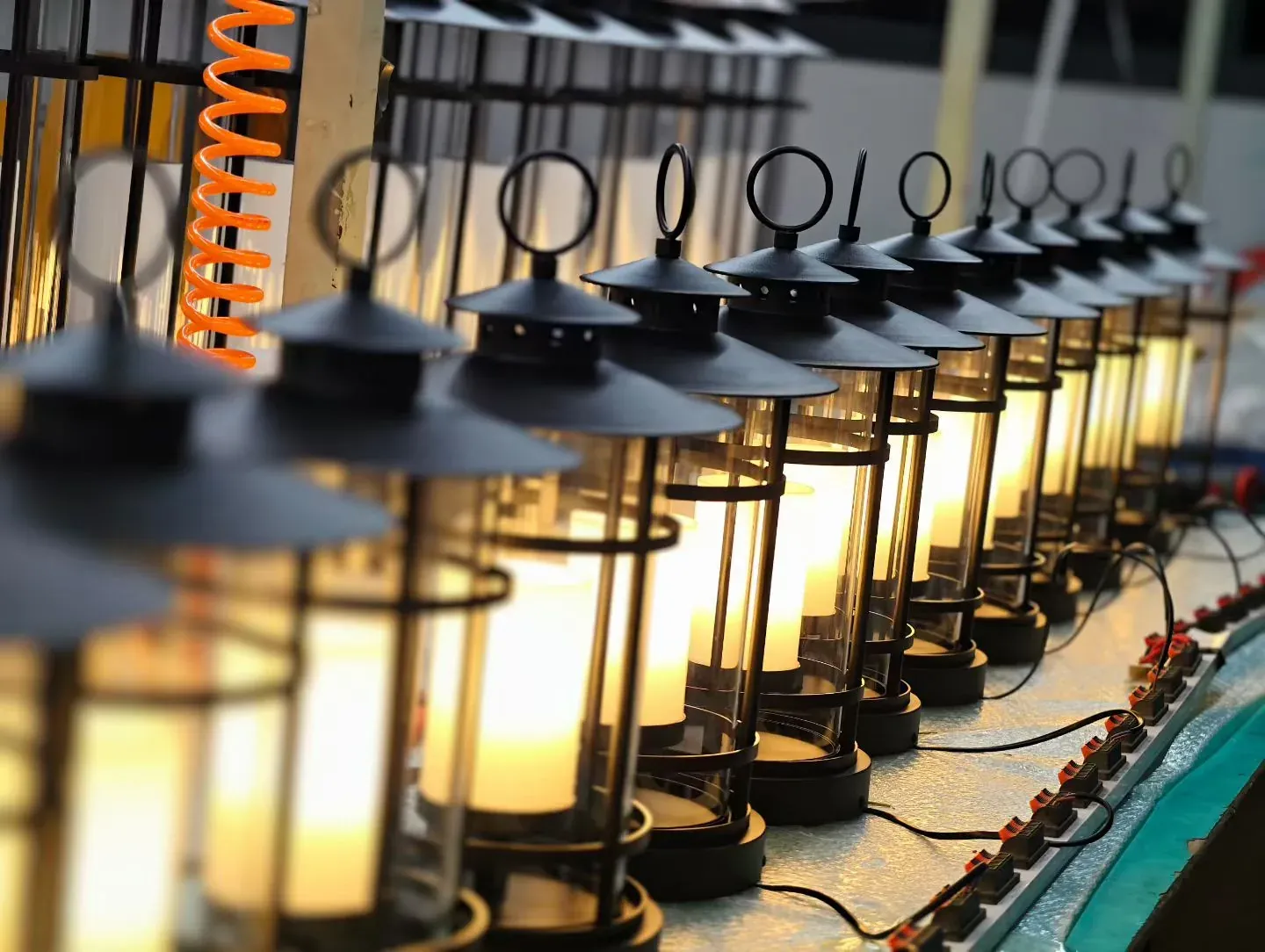
Walk any professional landscape lighting project and you will find two voltage worlds side by side: low-voltage 12V systems and mains-voltage 230V installations. For a garden lighting brand building a range, the voltage platform is not a detail - it decides which markets you can serve, how your products are installed, and what certifications they carry.
Where Low Voltage 12V Wins
Low-voltage landscape lighting dominates in Australia and New Zealand, and in North America. A 12V supply removes most of the shock risk around wet soil, irrigation and digging, which is why regulations and installer habits favor it for in-grade uplights, garden spikes and path lights placed within reach of people and pets.
Low voltage also changes the product itself. Fixtures can be more compact, sealed more simply, and paired with plug-and-play connectors. Homeowners and landscapers can reposition fittings without an electrician. The trade-off is voltage drop over distance: longer cable runs need thicker cables or multiple transformers, which the layout must plan for.
Where 230V Mains Is Expected
Across continental Europe, 230V remains the default for fixed architectural lighting: wall sconces on facades, bollards along driveways, post lights at entrances. Installation is regulated and typically performed by certified electricians, so the safety argument for low voltage is weaker - the priority shifts to build quality, ingress protection and documentation.
For a brand, 230V products mean simpler per-fixture cost structure (no separate transformer per zone) and straightforward integration into wired garden circuits.
That is the reality our 2026 ranges are built around: the architectural families we supply — wall, bollard, ceiling, inground — are specified for 220–240 V 50/60 Hz, and the voltage is printed on every model page next to the light source and IP rating. Where a project brief calls for a low-voltage platform, that is a specification decision made at the start — not something to infer from a catalogue photograph.
The Product Implications
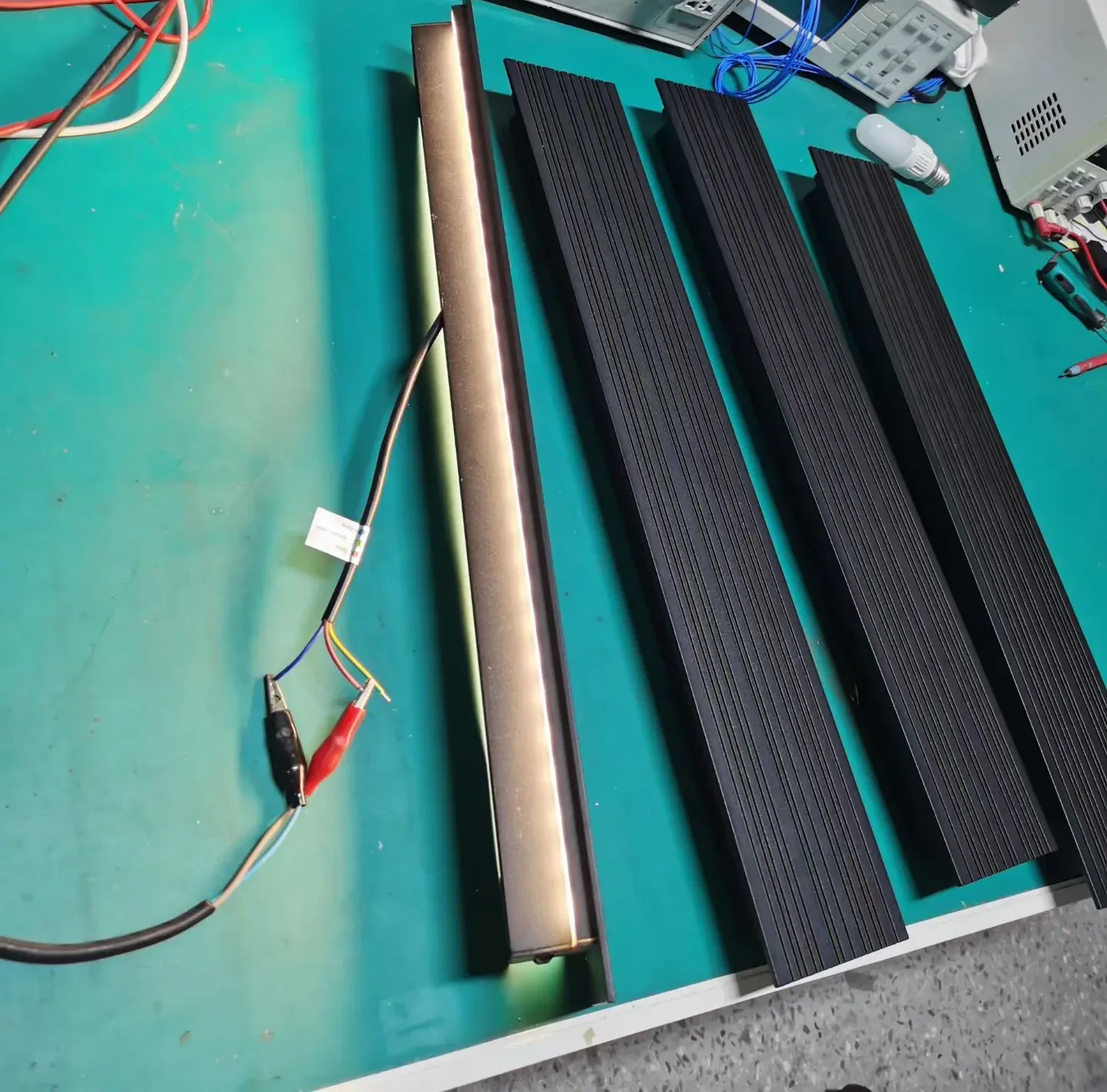
Voltage affects the fixture's internals more than its looks. A 12V fixture runs an LED board and constant-voltage driver sized to the track; a 230V fixture carries a driver that accepts mains input directly. sealing, gasket design and cable glands differ accordingly. Beam angle, CCT and CRI decisions are identical across platforms.
Brands serving both markets increasingly build dual-platform ranges: one design language, one finish family, offered in a 12V variant for landscape use and a 230V variant for architectural fixed wiring.
What to Decide Before Requesting Quotations
Map your markets first. Australia and New Zealand projects lean low voltage for garden-level lighting. Continental European architectural applications lean 230V. Then decide whether your range needs both platforms or one - and communicate that clearly in your first inquiry, along with your certification needs (CE for Europe, RCM for Australia). A supplier who understands both platforms will answer with a range plan, not just a price list.
FAQ
Can one design be offered on both 12V and 230V? Yes — dual-platform ranges are common: one design language and finish family, offered as a 12V variant for landscape use and a 230V variant for fixed architectural wiring. The internals differ (driver, sealing, cable glands); the silhouette does not have to.
Which platform should I choose for Australia? Garden-level lighting — spikes, path lights, in-grade uplights — leans 12V in Australia and New Zealand, matching installer habits and regulations. Fixed architectural fixtures such as wall lights stay on 230V where the market expects mains wiring.
Does the voltage platform change certification? Yes — it changes the evidence path, not just the product. Plan certification per platform and per market (CE for Europe, the RCM pathway for Australia) before tooling begins, so test samples come from production rather than from a second run.
Building a range for both markets? Send us the four inputs — design reference, technical parameters, target budget and estimated volume — and we will reply with a feasibility view and the platform plan. [Start a project](https://www.noorarchlighting.com/contact)
New here? [Browse the bollard & path range](https://www.noorarchlighting.com/products?category=bollard-path) to see how platform choices show up in a finished collection.