
Oct 9, 2026Journal
Why 3000 K Warm White Wins in European Gardens
Why 3000 K warm white is the sellable default for European garden ranges — and where cool white still belongs.
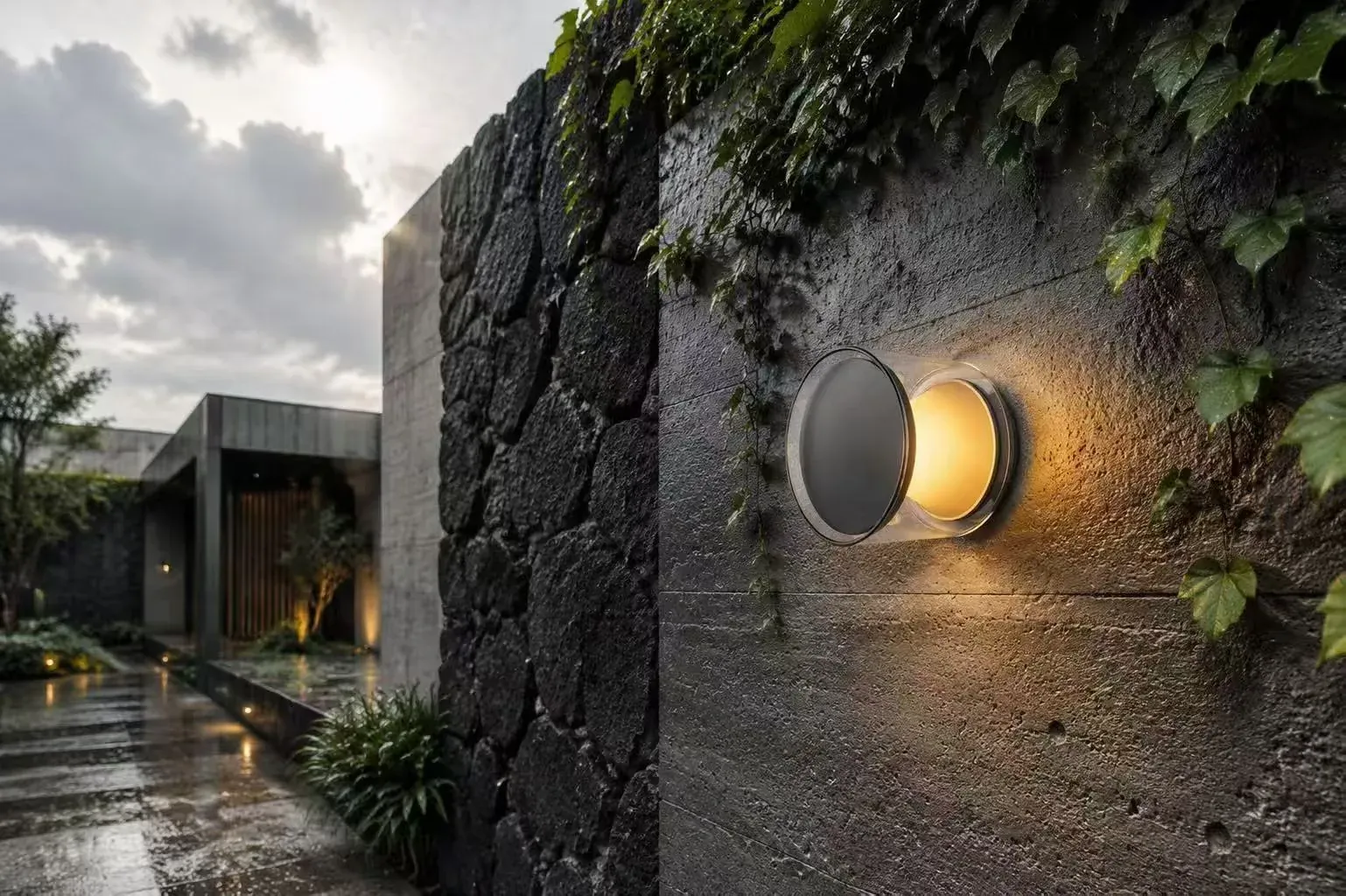
Colour temperature looks like a technical footnote next to wattage and IP rating. In a garden lighting range it is a merchandising decision in disguise: the same fixture at 3000 K and 6500 K has two different buyers — and only one of them is the European garden customer.
What 3000 K and 6500 K Actually Look Like
- 3000 K — warm white. The colour of quality interior lighting after dark. Wood, brick, copper and planting keep their character; stone looks like stone. A lit facade reads as "home".
- 4000 K — neutral white. Crisp and functional. Standard for public realm, streets and work areas.
- 6500 K — cool daylight. Bright, bluish, institutional. It reads as car park, loading bay or industrial estate — which is fine where that is the brief, and wrong where a residential garden is the brief.
None of these is "better". They are different products with different customers — which is exactly why a European garden range is built around 3000 K.
Why European Gardens Lean Warm
The garden is an extension of the home. European residential lighting — indoors and out — has been warm white for decades. A garden lit at 6500 K next to a living room glowing at 3000 K looks like two different buildings.
Materials. Warm white flatters natural materials: timber, brickwork, corten, copper, foliage. Cool white's blue-rich spectrum flattens warm materials and turns planting grey-green. For a premium range, the light should make the product look more expensive than it is.
Comfort at the scale people experience. Indoors and in gardens, people judge light up close and for long stretches. Blue-rich white light is what you meet in environments where alertness and uniformity matter — roads, car parks, security lighting. A home garden asks for the opposite mood, and buyers know it when they see it.
The listing review. European retail buyers and importers write 3000 K into the range brief. A garden fixture spec'd at 6500 K invites the question "who is this for?" — and a range that raises questions at the listing review has already lost ground.
Where Cool White Still Belongs
Cool white earns its place in functional contexts: security lighting, some public-realm and sports applications, and markets where daylight-white is the established expectation. Those are legitimate products — they are just not the product a garden brand sells into European residential retail. Keep the two categories apart, in your range plan and in your merchandising.
The Quiet Spec: Consistency
Colour temperature is also a range discipline. Professional garden ranges hold three things steady:
- CCT across the family. Every model in the range at 3000 K, so a single garden scheme never mixes light colours.
- CRI of 80 or above, so foliage, stone and finish colours render as themselves.
- Tight colour consistency (MacAdam steps) between production batches, so the second container matches the first.
These three lines rarely appear in marketing copy. They are what a returning buyer checks first.
How the 2026 ranges we supply handle it. Colour temperature is printed per model and spans 2700–6000 K across the families — the operating range is there for projects that need it — while the specification we build European garden lines to is 3000 K, with CRI of 80 or above. For solar ranges, 3000 K is the module specification we set, not the mass-market 6500 K default.
The Solar Exception That Shouldn't Be
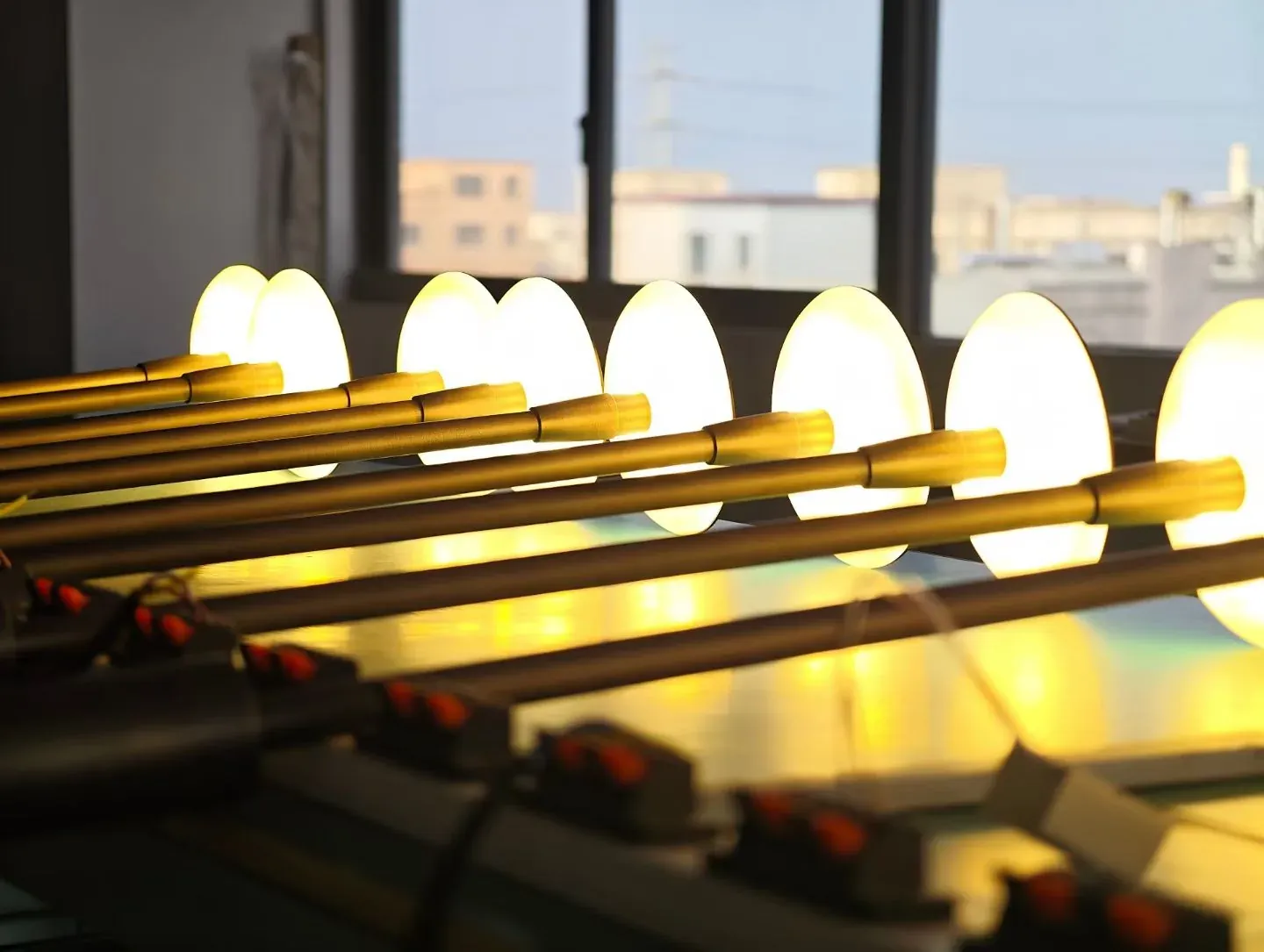
Solar garden lighting is often stocked in 6500 K — a default inherited from mass-market suppliers. For European residential retail, that default is wrong: whatever the module's factory setting, the specification that sells is warm white. When we build solar ranges for European brands, 3000 K is the standard we specify, because a solar light that reads as cold and institutional on the shelf has already disqualified itself.
FAQ
Is 4000 K acceptable for European gardens? For functional and public-realm garden lighting, yes. For residential retail ranges, 3000 K is the safe default — it matches interior lighting and renders materials faithfully.
Does colour temperature change the price? Not meaningfully. Different CCT options usually come from the same LED family at the same cost; the real work is range discipline — holding one CCT across the family and documenting it.
Can solar garden lights be warm white? Yes. 3000 K solar modules are a standard specification; a solar range aimed at European retail should be specified that way from the start, not swapped after the first season's feedback.
Building a garden line for European shelves and want the light quality specified properly from the first sample? Send us the four inputs — design reference, technical parameters, target budget and estimated volume — and we will reply with a feasibility view. [Start a project](https://www.noorarchlighting.com/contact)
New here? [Browse the collection](https://www.noorarchlighting.com/products?category=solar-portable) — warm-white ranges across wall lights, bollards, spike spots, inground uplights and solar.