
Oct 9, 2026Journal
Aluminum vs Plastic Garden Lights: Why Material Decides Brand Positioning
Aluminum or plastic garden lights? How material choice decides ten-year durability and retail price positioning — and what to ask suppliers in writing.
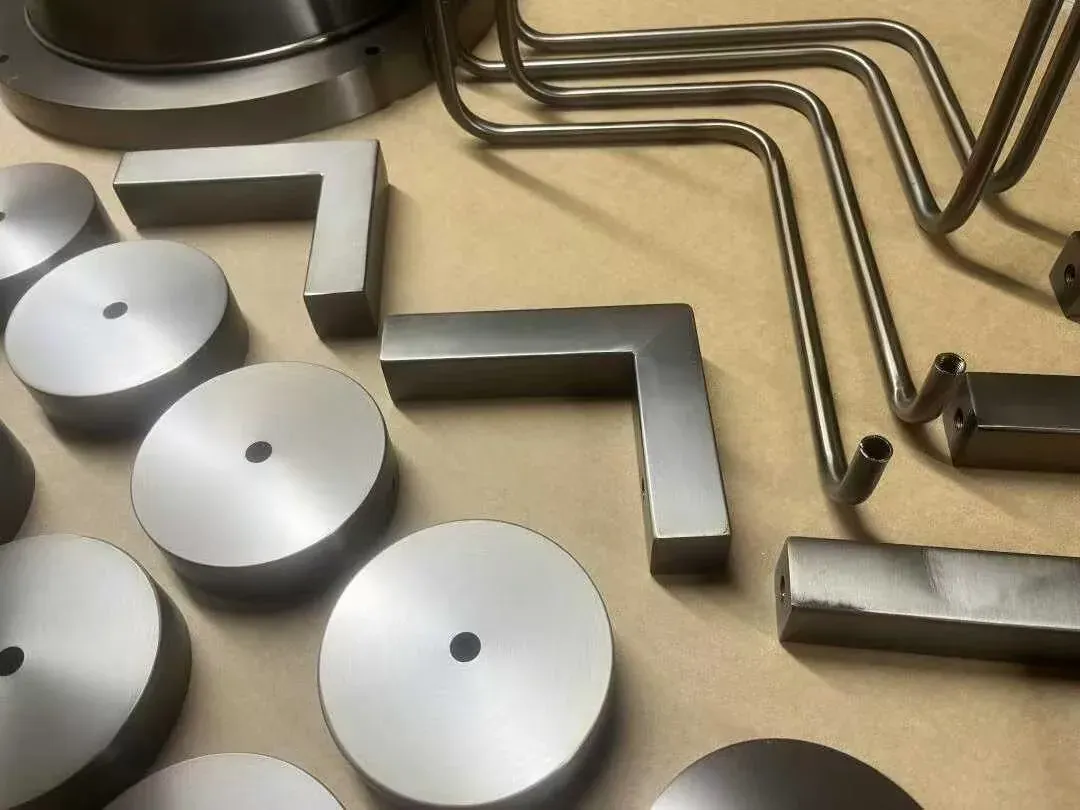
Set two garden bollards side by side - one die-cast aluminium, one injection-moulded plastic - and the price difference is obvious. What the price hides is the ten-year story: how each fixture ages under UV, how its gasket seals after five winters, and what its finish says about the brand that sold it.
What Material Choice Signals to Buyers
Garden lighting lives in the hardest environment in the building industry: full sun, driving rain, temperature swings from frost to heat, and soil contact. Plastic housings discolor, chalk and become brittle under UV exposure; aluminium - die-cast or extruded - holds its form and its finish, which is why premium landscape brands build their ranges around it.
For a brand, material is a positioning decision before it is an engineering one. A range built on aluminium with powder-coated finishes and tempered or PMMA lenses supports premium retail pricing and warranties. A range built on commodity plastic competes on price alone, against the entire market.
The Engineering Trade-offs
Aluminium brings stiffness for thin wall sections, excellent heat dissipation for the LED engine, and a surface that takes powder coating beautifully. The gasket system - silicone, properly compressed - keeps the IP rating honest for years. Where corrosion is aggressive, 304 or 316 stainless steel frames and screws extend the story further.
Plastic still has its place: portable solar lanterns and lightweight fittings benefit from its cost and weight. But for fixed architectural garden lighting - bollards, wall lights, spike spots, inground uplights - the material is the product.
What That Looks Like in the 2026 Ranges
The specification is on the page, per model: cast and extruded aluminium bodies, powder-coated in five standard finishes - Sand Grey, Sand White, Sand Black, Coffee Brown and Dark Grey - with silicone gaskets, tempered glass or PC optics, and stainless-steel options where corrosion is aggressive. Ranges rated IP65 (wall and bollard), IP67 (inground) and IP68 (submerged) use the same construction discipline; the finish palette lets a whole range speak one visual language across positions.
Cost Honesty
Aluminium costs more upfront. The honest comparison includes what happens after the first winter: returns, replacements, and the brand damage of fixtures that fade and leak. Brands that build ranges on aluminum with documented technical files - drawings, BOMs, test reports - price with confidence and defend that price in the channel.
When you brief a development partner, ask for the material specification in writing: alloy, coating system, gasket material, and the IP rating evidence behind it. That single page tells you more about the supplier than any catalogue.
FAQ
Why does the material decide price positioning? Because it decides what the fixture looks like in year five. Aluminium holds its form and finish through UV, frost and rain, which supports premium pricing and honest warranties; plastic discolours and fatigues, which pushes a range toward price-only competition.
Is plastic ever the right choice? Yes — for portable and solar products where weight and cost genuinely matter, and for short-life accessories. The mistake is building fixed architectural lighting — bollards, wall lights, spike spots — on housings that will not survive a decade outdoors.
What should I ask for in writing? The alloy, the coating system (pretreatment plus powder coat), the gasket material, the diffuser material, and the test evidence behind the IP rating. A supplier who answers all five in one page is a supplier who engineered the product.
Building a range that has to hold its price? Send us the four inputs — design reference, technical parameters, target budget and estimated volume — and we will reply with a feasibility view. [Start a project](https://www.noorarchlighting.com/contact)
New here? [Browse the wall-light range](https://www.noorarchlighting.com/products?category=wall-lights) — aluminium construction, powder-coated finishes.