
Oct 9, 2026Journal
Building a "European Design" Line — Legally
How to build a European design garden lighting line legally: expired design protection, style homage and the one route to avoid.
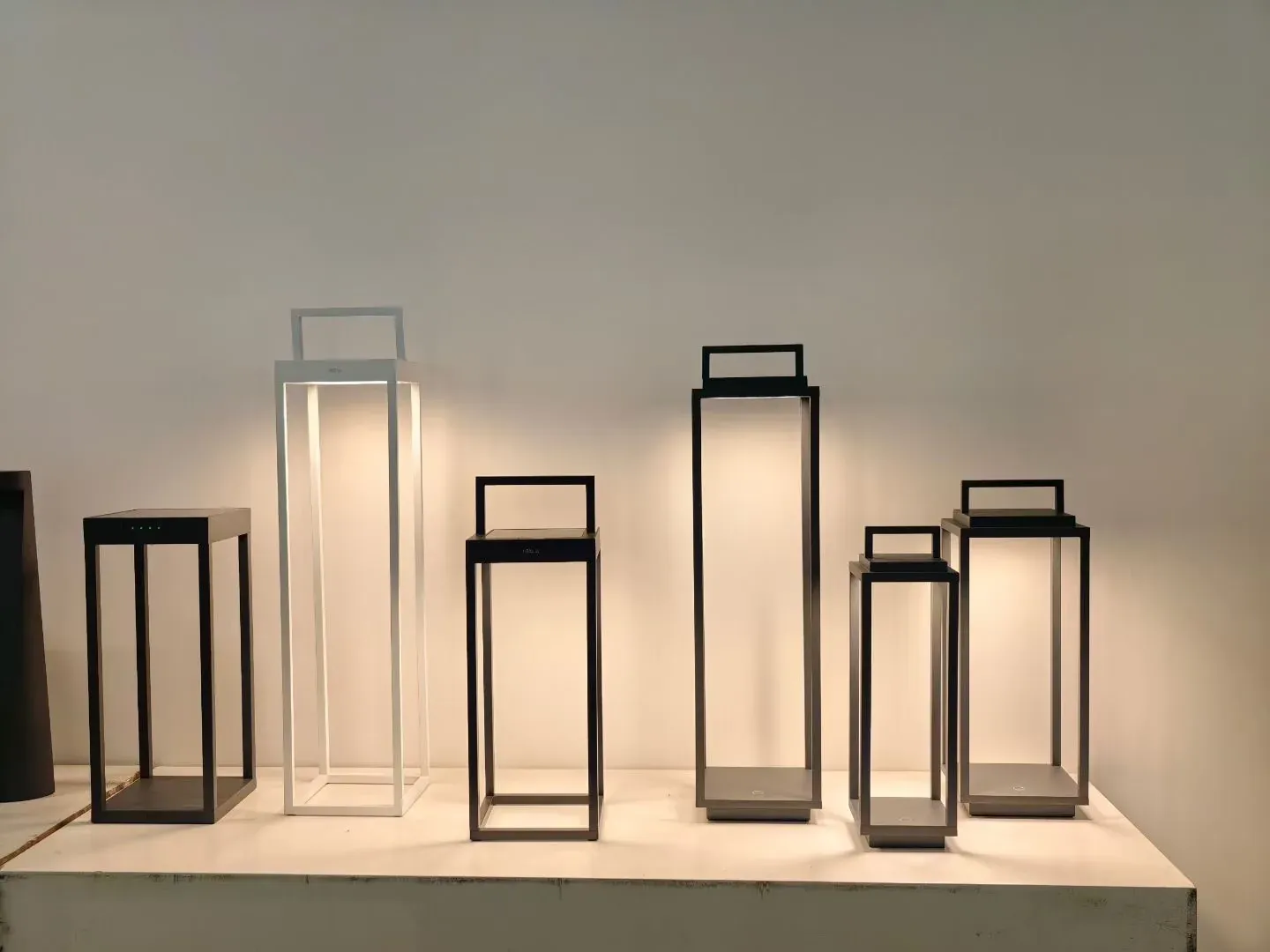
European design sells. A buyer in Rotterdam or Vienna can tell within seconds whether a garden line carries the design language their customers expect — the proportions, the material honesty, the restraint. That is why so many successful garden ranges are built on European design heritage. It is also why the wrong shortcut can end a brand.
There is a legal way to build a "European design" line, and there is a counterfeit way. The difference is not marketing language — it is registration records, expiry dates and trademark law. Here are the three legitimate routes, the one forbidden route, and the file you should keep while you travel them.
Route 1: Protection-Expired Classics
Design protection is a limited monopoly, by design. A Registered Community Design in the EU runs in five-year terms, renewable up to a maximum of 25 years from filing. When protection lapses, the design enters the public domain: anyone may manufacture it.
That is the lawful route many brands take — a protection-expired classic, produced with modern IP ratings and LED performance. But before you build a business on it, check two things:
- Trademarks never expire. The design may be free; the brand's name, logo and other source-identifying marks are not. Never reproduce them — not on the product, not in the packaging, not in the catalogue.
- Copyright can outlast design protection. EU courts have confirmed that copyright can coexist with design protection for shapes that qualify as artistic works — and copyright lasts far longer than 25 years. If a product's form is distinctive enough to carry an artistic reputation, get a professional opinion before you tool up.
The working method is unglamorous but simple: search the EU design register (and your target markets' registers) for the model, note its filing date and status, and record the result in the project file.
Route 2: Style Homage
Working in a design language — mid-century restraint, Nordic minimalism, industrial brass — is not copying. Design movements belong to everyone.
Copying a specific protected product is a different act. The honest test a lawyer will apply is whether a reasonable buyer, seeing your product, would believe it is the protected one. A new silhouette that carries the era's mood without reproducing a protected form is the goal. Keep your own drawings from the first sketch; a design development file is what separates homage from imitation on the day anyone asks.
Route 3: Commissioned, Original Design
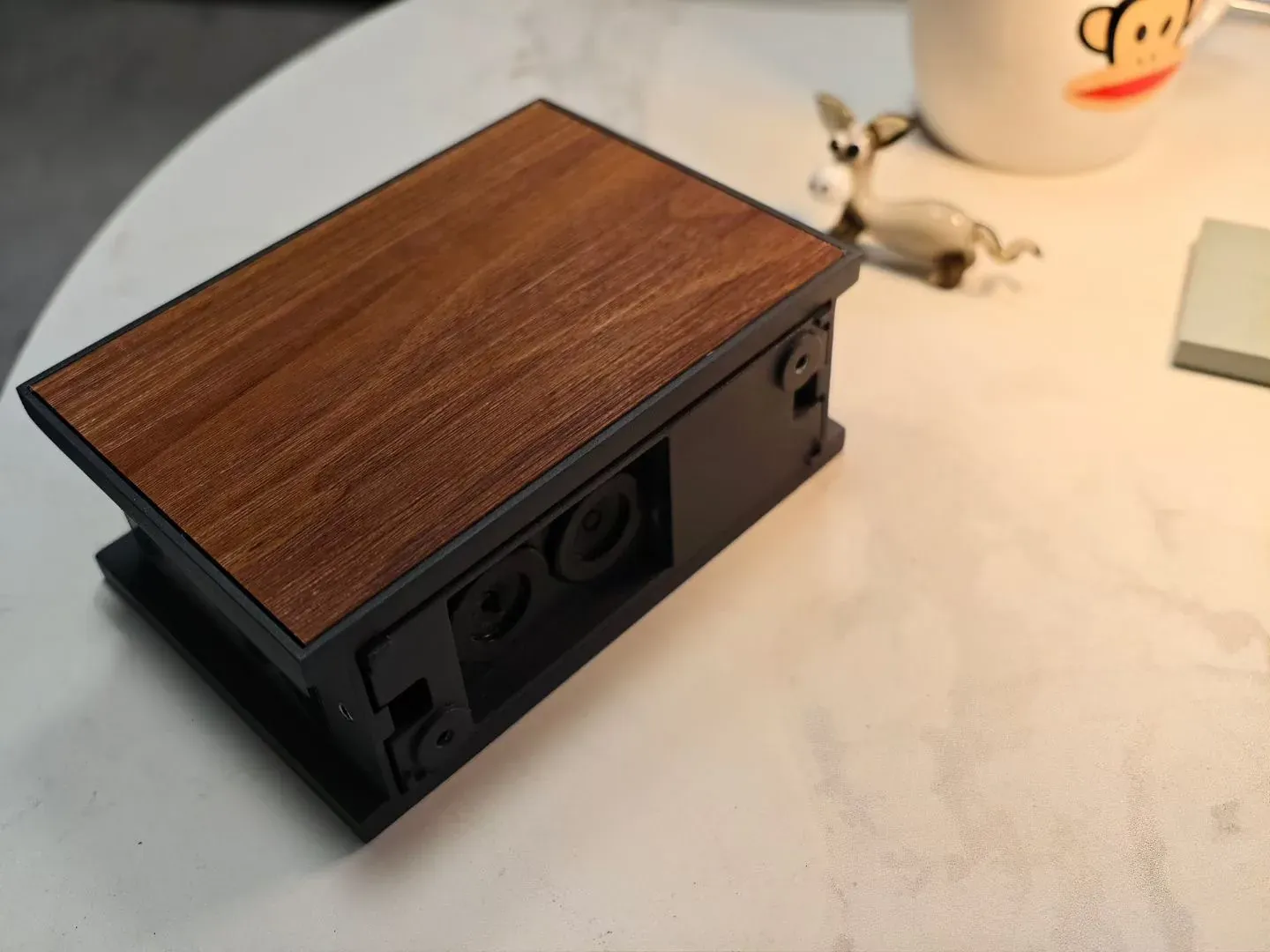
The cleanest route: an original design, commissioned and documented. If the industrial design is coordinated in-house as part of your private-mold development, the file is complete by construction — sketches, revisions, rationale, tooling drawings — and the ownership terms are written into the project agreement. This route costs more time. It also builds an asset nobody can take from you.
The One Forbidden Route
Counterfeit: reproducing a protected product's exact form, and especially anything carrying the original brand — marks, model numbers, trade dress, catalogue imagery. It is worth saying plainly because the failure mode is rarely a deliberate decision. It is usually an unexamined supplier catalogue. Some catalogues carry designs attributed to third-party designers, or reproductions of classics with the original names still attached. Those names and forms are not yours to use, and a due-diligence scan — product name, description and imagery — belongs in every product launch.
Keeping the Design File
For every model in a design-led range, the file should hold: register searches and their results; design sketches and revision history; the tooling drawings; and written ownership terms. When a retail buyer or an investor asks where the design comes from, the file answers in one meeting — and it answers in your favour.
This article is general information, not legal advice. Design and copyright law is territorial and fact-specific; work with an IP professional on any specific model.
FAQ
How long does design protection last in the EU? A Registered Community Design lasts in five-year terms up to 25 years from filing. When it lapses, the design itself is in the public domain — but trademarks and, in some cases, copyright can still restrict how you use it.
Can I legally sell a classic design once protection expires? The design, yes — once its registered protection has genuinely expired and no trademark or copyright obstacle applies. The brand marks that identified the original are never yours to use, and copyright questions need a professional check before tooling begins.
What should I ask a manufacturer about the origin of a design? Ask for the design file: original drawings, revision history, and confirmation that the product does not reproduce third-party brands, model numbers or designer attributions. If a supplier cannot show the origin of a design, assume it cannot be defended.
Building or refreshing a garden line on design heritage? Send us the four inputs — design reference, technical parameters, target budget and estimated volume — and we will reply with a feasibility view, including the design-file route we would take. [Start a project](https://www.noorarchlighting.com/contact)
New here? [Browse the collection](https://www.noorarchlighting.com/products?category=wall-lights) to see how we apply this to wall lights, bollards, spike spots and inground uplights.