
Oct 9, 2026Journal
CE, RoHS and RCM: Certification Pathways for Outdoor Luminaires
How certification really works for outdoor luminaires: the CE, RoHS and RCM pathways, who carries the cost, and why certification must start with tooling — not after it.
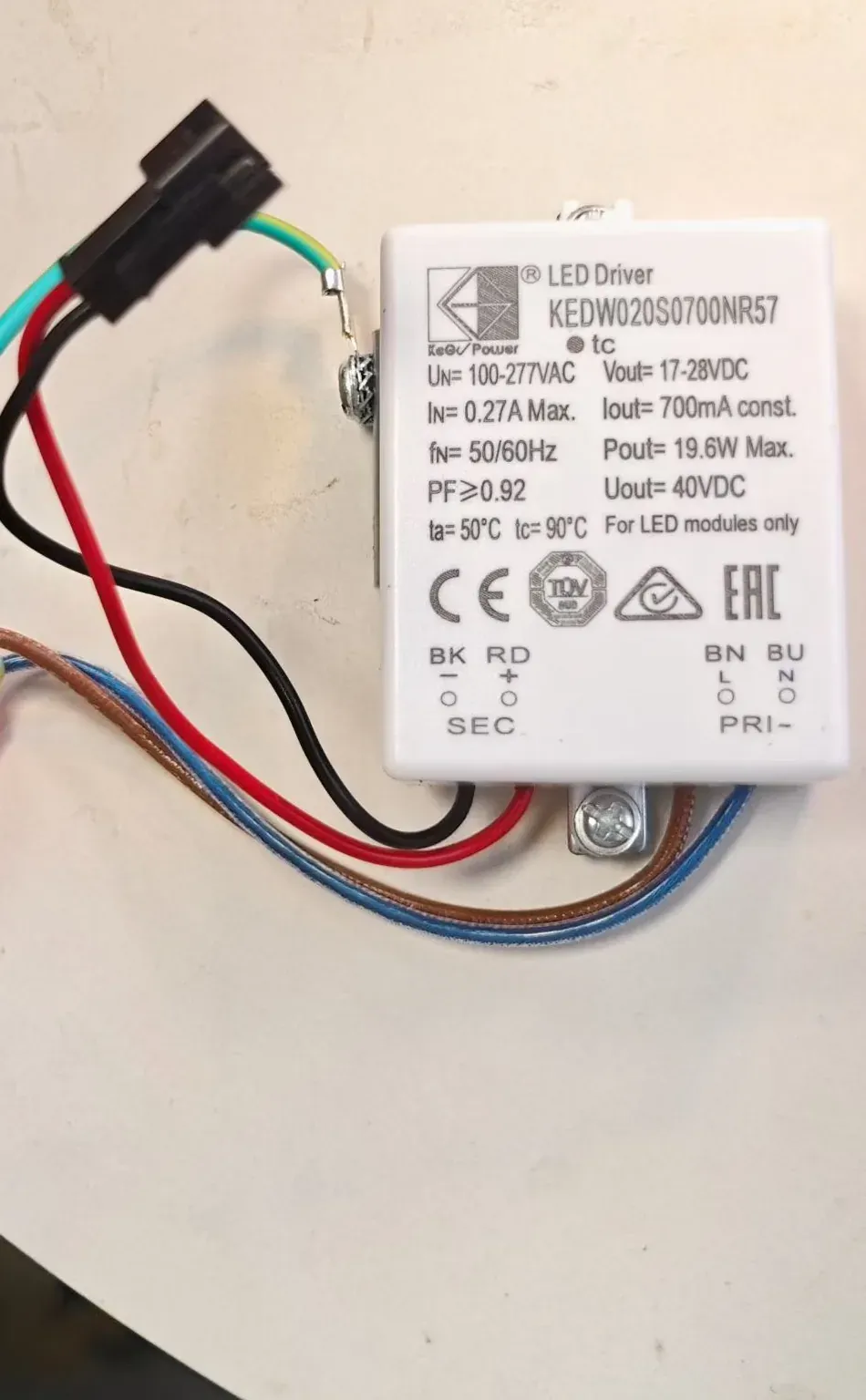
Certification is where garden lighting projects stall most often - not because the tests are impossible, but because brands start the process too late or with the wrong documentation. Understanding the pathways for the EU and Australia before tooling begins saves weeks and prevents re-testing.
The Certificates That Actually Gate Market Entry
For the European Union, an outdoor luminaire needs CE marking backed by the Low Voltage Directive (LVD) and Electromagnetic Compatibility (EMC) test reports, plus RoHS compliance for hazardous substances. These are self-declared marks, but they must be supported by real test documentation from the manufacturer.
For Australia, the regulatory environment marker is the RCM (Regulatory Compliance Mark), administered through the EESS framework. Luminaires typically fall into Level 2 or Level 3 depending on design, which determines the evidence path. Australia accepts CB reports from IECEE member labs, which means a well-prepared CB test report from the factory can be converted rather than duplicated.
Costs and Responsibilities
In ODM projects, laboratory fees are customarily borne by the client, while the factory prepares the technical documentation: construction drawings, the bill of materials with LED and driver specifications, gasket and ingress protection details, and the test reports behind the declared ratings. Brands should ask specifically which documents the factory holds in-house and which must be commissioned.
A German-standard technical file goes further than the minimum: complete drawings, material specifications for the aluminium body and diffuser, driver specifications, and photometric data. When this file exists from day one, certification becomes a formality rather than a project risk.
The Evidence Layer Behind the Paperwork
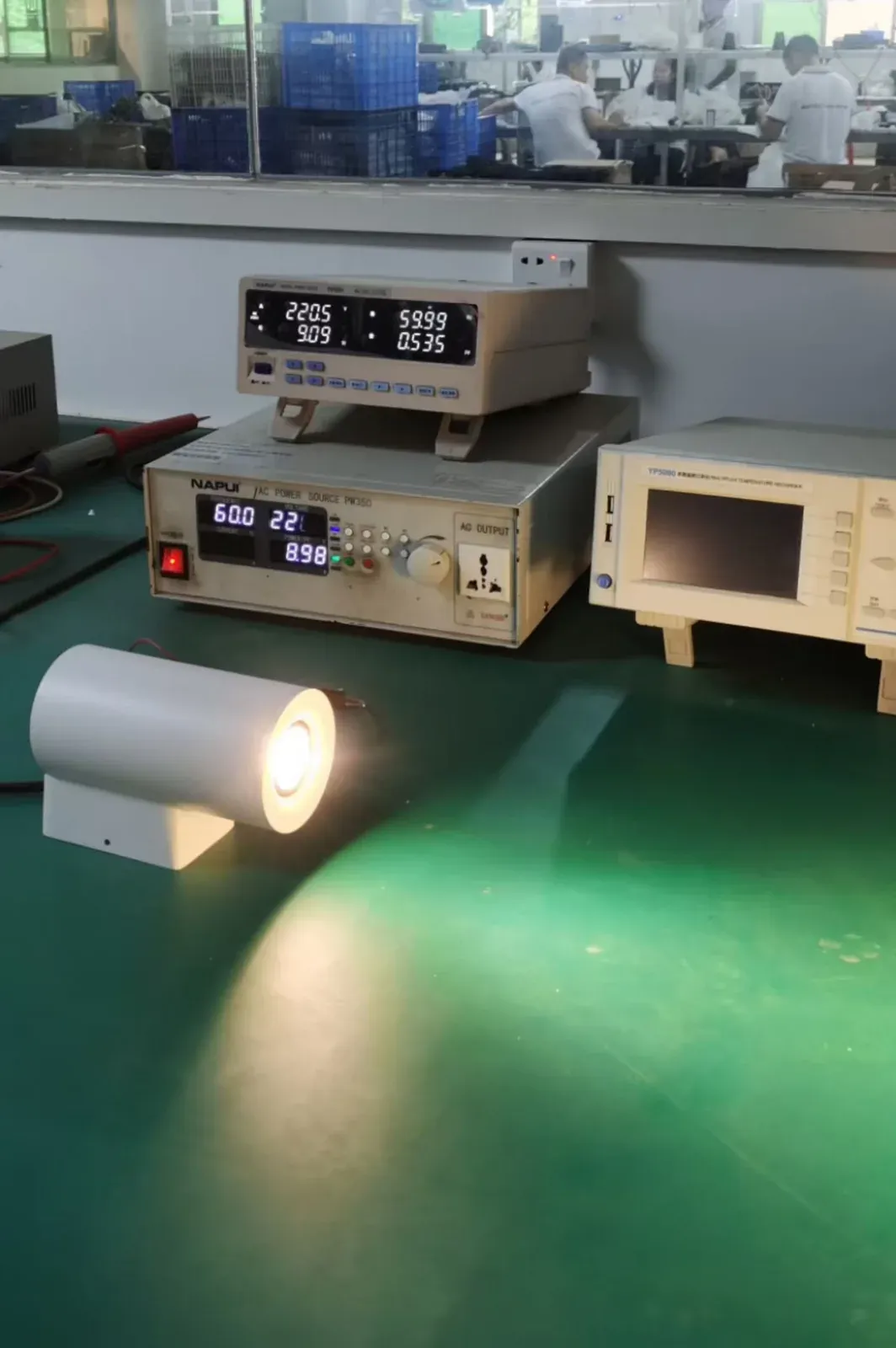
Certificates rest on test data — and in the 2026 ranges we supply, that data is institutional. Model pages carry the IP rating, light-source details and CE/RoHS marks next to the warranty term, and behind those marks sit laboratory instruments: an integrating sphere for photometric measurement, environmental chambers for temperature and ageing tests, and impact testers for IK ratings. When you audit a supplier, ask what equipment produced the numbers — a laboratory answer is more durable than a document answer.
Planning Certification Into the Project Calendar
Certification should run in parallel with tooling, not after it. Sample quantities for testing must be pulled from pilot production, so the lab calendar belongs in the project plan from the first week. Brands that schedule certification alongside pilot runs ship on time; brands that treat it as an afterthought discover that their launch date belongs to the laboratory queue.
For brands entering both the EU and Australia, the efficient path is a single well-documented test campaign built around CB-report structure, then converted to the target markets. Ask your development partner to plan this before tooling begins.
FAQ
Who pays for certification in an ODM project? Laboratory and certification fees are customarily borne by the client, while the development partner coordinates the labs and prepares the technical documentation: drawings, the bill of materials with LED and driver specifications, and the test reports behind the declared ratings.
Can a CB report be reused for Australia? Often, yes. Australia accepts CB reports from IECEE member laboratories, so a well-structured CB test campaign can be converted to the RCM pathway rather than duplicated. It shortens both the calendar and the testing budget.
When should certification start? In parallel with tooling — not after it. Test samples must be pulled from pilot production, so the laboratory calendar belongs in the project plan from the first week. Brands that schedule certification beside sampling ship on time; brands that treat it as an afterthought discover their launch date belongs to the laboratory queue.
Planning a garden lighting range for the EU or Australia? Send us the four inputs — design reference, technical parameters, target budget and estimated volume — and we will reply with a feasibility view including the certification path. [Start a project](https://www.noorarchlighting.com/contact)
New here? [Browse the spike & spot range](https://www.noorarchlighting.com/products?category=spike-spot) to see the products these certification paths are planned around.