
Oct 9, 2026Journal
How European Buyers Judge a Garden Light: 5 Standards Behind Every Serious Order
Five standards European buyers use to judge a garden light supplier — material, IP and light quality, technical files, delivery discipline and commercial fit.
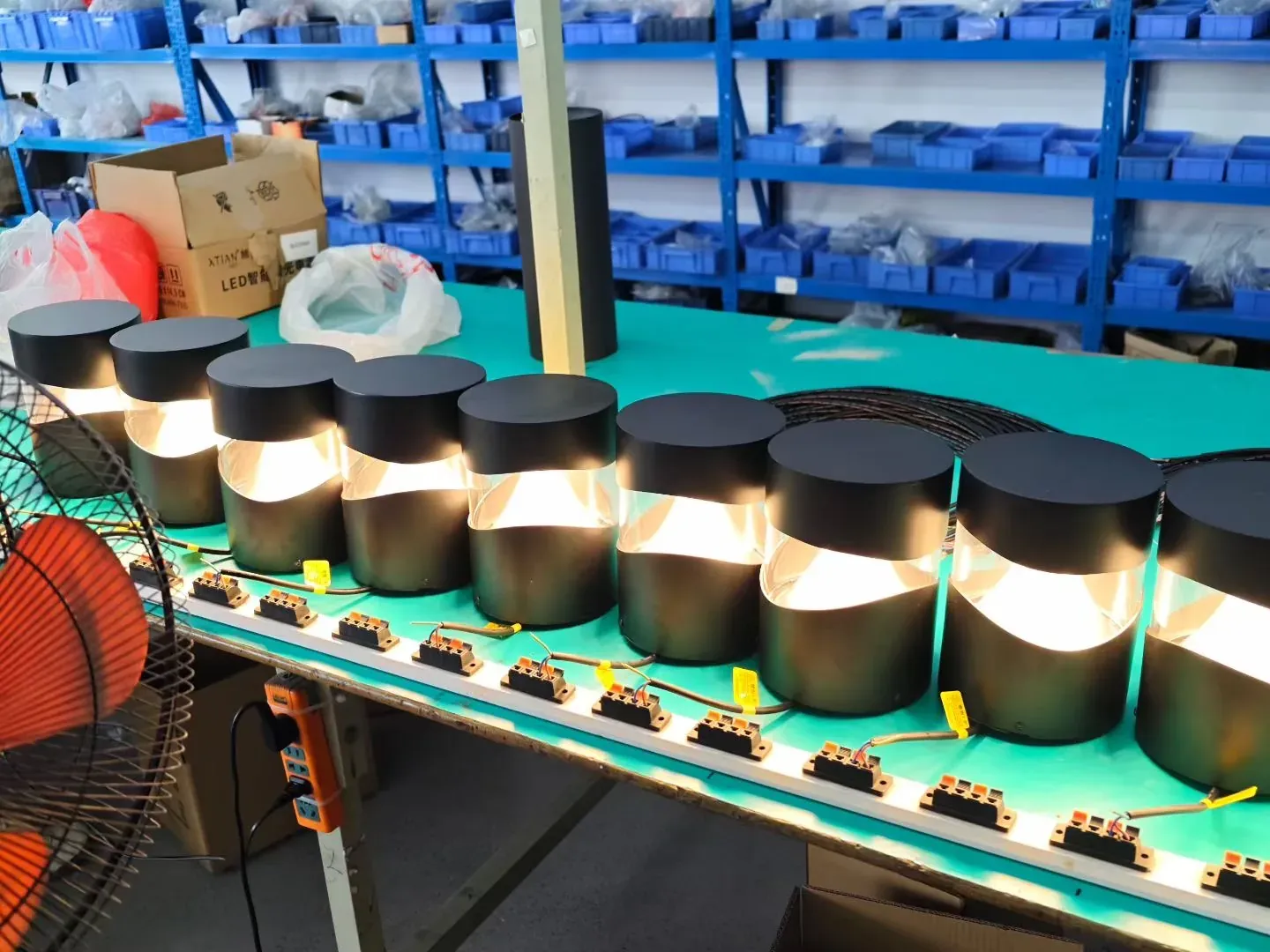
A gardener looks at the light. A European buyer looks at the risk.
When an importer, retail buyer or brand manager opens a garden lighting catalogue, the photograph is only the invitation. The decision is made on five things photographs cannot show — and every one of them is checkable before a single unit is ordered. Here are the five standards, and the questions that test them.
1. Material and Construction — Read the Alloy, Not the Adjective
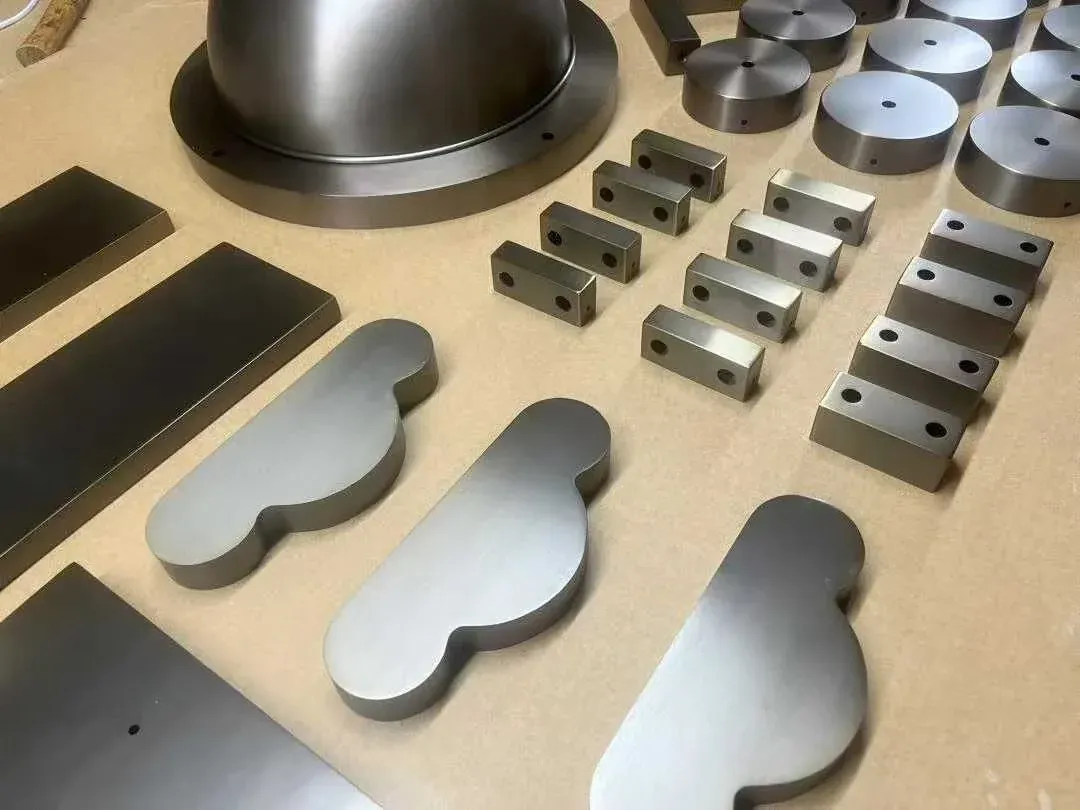
"Metal" is not a material specification. Aluminium die-casting and extrusion are what serious garden ranges are built on: they hold their form, dissipate LED heat, and take a powder-coated finish that survives a decade of weather. What separates suppliers is what sits inside that word:
- the alloy and the wall sections;
- the coating system — pretreatment plus polyester powder coating, not paint;
- the gasket system, usually silicone, correctly compressed so the seal still works after the fifth winter;
- stainless fasteners, so screws do not bleed rust streaks down a white facade.
Ask for the material specification in writing. A supplier who can name the alloy, the coating system and the gasket material is a supplier who engineered the product, not just sold it.
2. Ingress Protection and Light Quality — Numbers With Evidence
Every fixture in a garden line lives somewhere specific: a wall light under an eave, a bollard in a lawn, a spike at the foot of a tree, an uplight buried in a path. Each position has its own water and dust reality. That is why professional ranges are organised by place, not by style: IP65 for wall and bollard lighting, IP66 for spike and spot lights in beds and irrigation zones, IP67 for inground uplights that meet soil and standing water.
In the 2026 ranges we supply, that logic is printed on the page: wall and bollard families rated IP65 (for example the NA-3047/3048 wall lights — LED 12W or E27, 220–240 V, 145×110×210 mm and 145×110×320 mm), and inground uplights rated IP67 (for example the NA-8308 family — GU10, Ø100–120 mm). Colour temperature spans 2700–6000 K across the families, with 3000 K specified for European garden ranges.
Light quality follows the same discipline. 3000 K warm white is the expectation in European residential gardens; CRI of 80 or higher keeps foliage and stone looking like themselves; and beam control — honeycomb grids, asymmetric optics, anti-glare hoods — is what separates a professionally specified line from a commodity one. Ask for the test reports behind the IP claims and the photometric data behind the light claims. Numbers without evidence are decoration.
3. The Technical File — Where Serious Projects Begin
A quotation is a price. A technical file is a promise.
The file contains the construction drawings, the bill of materials with LED and driver sources named, the photometric reports, and the test documentation behind the declared ratings. German-standard documentation from day one is the norm in well-run projects — not because paperwork is glamorous, but because certification, installation instructions and after-sales all run on it.
One question sorts suppliers quickly: which documents do you hold in-house today, and which must be commissioned for my project? The answer tells you exactly who is carrying the technical risk.
4. Delivery Discipline — Packaging, Inspection, Loading
What arrives is what sells. Transit damage is the quiet killer of garden lighting programmes — scratched powder coat, chipped glass, bent posts — and it is decided long before the container is loaded.
Look for foam cut to the product's shape rather than generic bubble wrap; separate compartments so metal parts never rub; foil-wrapped posts; sealed accessory bags so fixings and gaskets arrive with every unit. Then look for process: pre-shipment inspection with photo and measurement reports, and loading supervision at the container. Ask to see photographs of the last shipment's packing. Real ones, taken on the floor — not renders.
5. Commercial Structure — Fit for a Growing Range
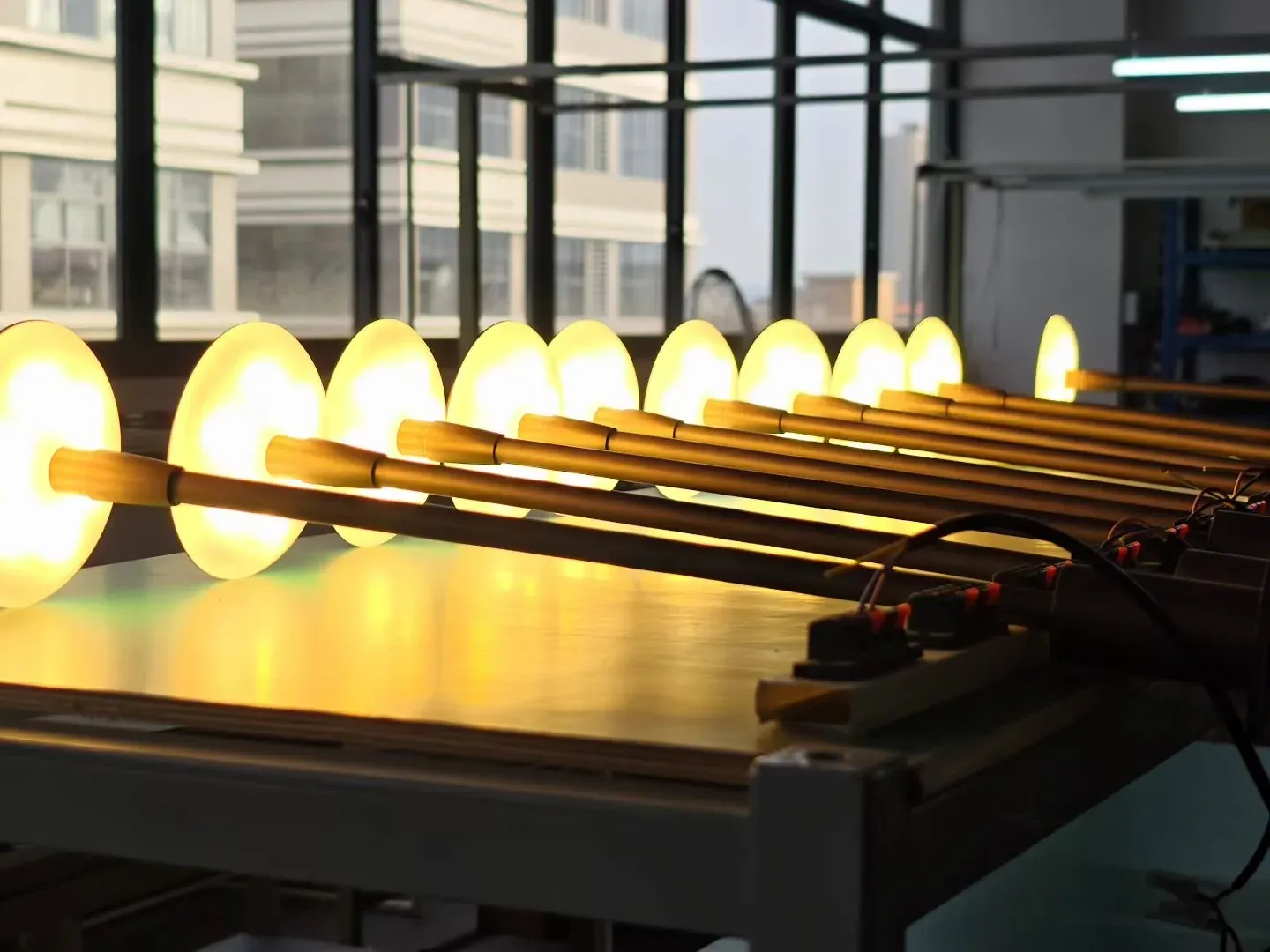
The final standard is fit. A brand growing a garden line rarely wants five thousand pieces of one SKU; it wants to test five SKUs and then scale the winners. That requires a supplier structured for small-batch, real development:
- Modified tooling on existing moulds — new finishes, sizes or light sources without new tooling investment;
- Private moulds for genuinely new designs, customer-funded and owned by the brand, with a pilot run in the 100–200 pcs per SKU range;
- Certification coordinated with accredited labs, with lab and certification fees borne by the client and the pathway — CE for Europe, RCM for Australia — planned alongside tooling, not after it;
- One accountable contact for the whole chain, from drawing to loading.
Ask who owns the mould, who owns the drawings, and who answers the phone when something needs a decision. Written answers, not verbal ones.
The Five-Minute Test
Before your next supplier conversation, ask these five questions: What is the alloy and coating system? What test reports back the IP claims? Which documents do you hold in-house? Show me photos of your last shipment's packing. Who owns the tooling — and can I run a pilot first?
Five clear answers tell you more than fifty catalogue pages.
FAQ
What documents should I ask a garden lighting supplier for? Construction drawings, a bill of materials with LED and driver sources, photometric data, and the test reports behind the declared IP and CE documentation. Ask which are held in-house and which are commissioned per project.
What is a realistic first order for a new garden line? With modified tooling, a pilot is often the sensible start; with a private mould, a pilot run in the 100–200 pcs per SKU range lets you test several models before committing to volume.
3000 K or 4000 K — what do European gardens expect? 3000 K warm white is the residential garden standard across Europe. 4000 K and above suits functional and public-realm lighting; for a retail garden range, 3000 K is the safe, sellable default.
Building or refreshing a garden lighting range? Send us four things — design reference, technical parameters, target budget and estimated volume — and we will reply with a feasibility view within two working days. [Start a project](https://www.noorarchlighting.com/contact)
New here? [Browse the collection](https://www.noorarchlighting.com/products?category=wall-lights) to see these five standards applied across wall lights, bollards, spike spots and inground uplights.