
Oct 9, 2026Journal
How to Develop a Private-Mold Garden Light: From Sketch to Shipment
How a private-mold garden light goes from sketch to shipment: six stages, four inputs, and what to prepare before development starts.
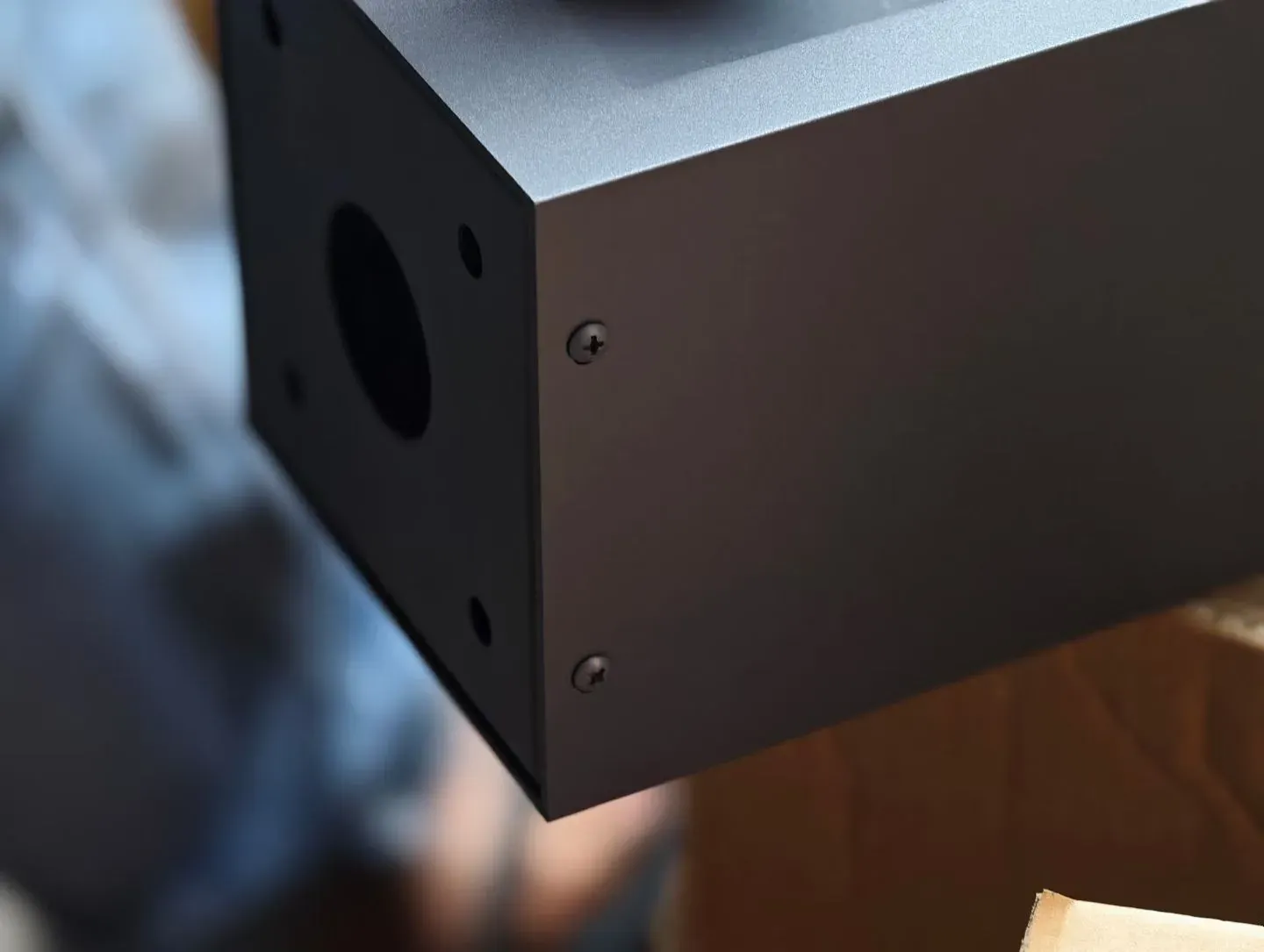
For outdoor lighting brands, the difference between a catalogue that blends in and one that stands out usually comes down to one thing: product ownership. A private-mold garden light - a fixture developed around your design, with tooling dedicated to your brand - is the clearest way to own that difference. Yet many brands hesitate, because the development path feels opaque. Here is how a structured ODM partner takes a private-mold garden light from a sketch to a shipped container, and what to prepare before you start.
What a Private-Mold Project Really Involves
A private-mold project runs through six defined stages: concept review, industrial design, tooling, pilot production, mass production and delivery. Each stage has its own gate, and skipping gates is where projects go wrong.
Before any engineering begins, four inputs shape everything downstream: your design reference (a sketch, a photo of a competitor unit, or a mood board), the technical parameters you need (wattage, CCT, IP rating, dimensions), a target budget, and an estimated order volume. With these four inputs, a development partner can judge feasibility honestly - including telling you what not to build.
Mold ownership is the financial backbone of the project. Private-mold tooling is customer-funded, typically with a prepayment before steel is cut. In return, the mold serves your brand exclusively, and the fixture cannot be resold to your competitors - which is precisely the point.
Where the Market Gap Is
Factories optimized for mass production often decline private-mold inquiries: the volumes are too small, the engineering conversations too long. Trading companies rarely bridge the gap either, because they do not control engineering. The result is a market gap: brands wanting differentiated product in quantities of a few hundred pieces per SKU, with nobody equipped to serve them.
The second trap is fragmented supply. A garden light touches a die-casting foundry, a powder-coating line, an LED and driver supplier, a glass or PC diffuser source, and an assembly cell - followed by certification labs and pre-shipment inspection. Coordinating that chain without an engineering background consumes months and locks in quality risks.
A Worked Example Path
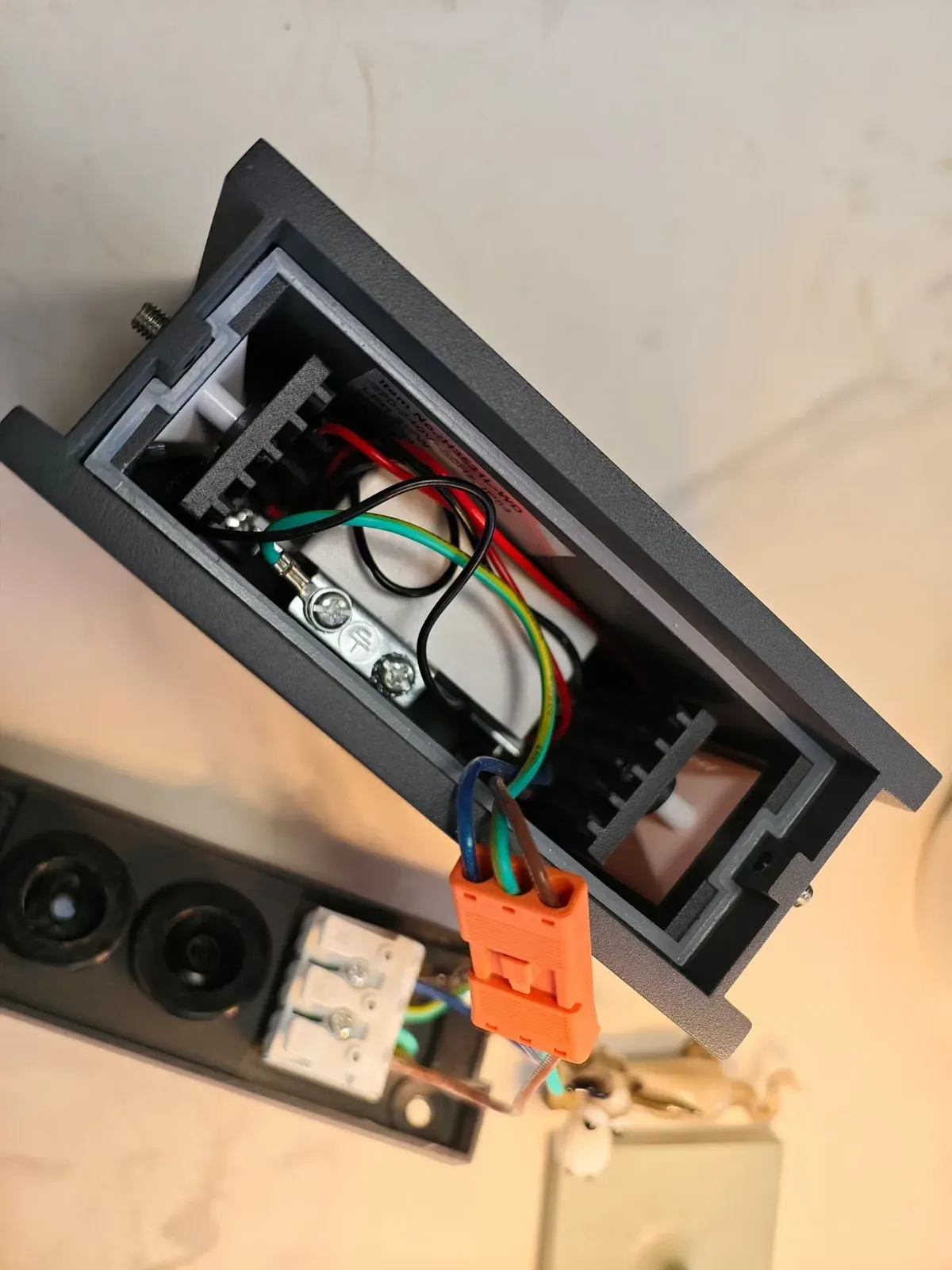
Consider an aluminum wall light developed for a European garden range. The industrial design is locked after one or two review rounds. Tooling - typically aluminium die-casting - takes 30 to 45 days. Pilot samples confirm the light distribution, the gasket seal and the finish; one or two pilot rounds are normal, and a structured project budgets for two design revisions and two sampling rounds rather than treating changes as exceptions.
Certification runs in parallel: CE documentation for Europe, or the pathway toward RCM for Australia. Pre-shipment inspection and loading supervision close the loop before the container leaves.
What to Prepare Before You Start
Bring the four inputs: a design reference, technical parameters, a target budget and an honest volume estimate. Ask specifically who owns the mold, what the pilot round includes, and which documentation you receive at delivery - drawings, BOMs and test reports should arrive as a complete technical file, not scattered attachments.
The standard to hold that file against is the one our 2026 ranges publish per model: IP rating, colour-temperature range, light source, A/B/C dimensions and warranty term on a single page, with dimension drawings beside them. If the existing range cannot show you that page, the private-mould file will not be better.
A private-mold project is a commitment on both sides. With the right structure, it converts a catalogue of lookalike fixtures into a range your brand actually owns.
FAQ
Who owns the mould in a private-mold project? The mould is customer-funded and customer-owned. It serves your brand exclusively — it cannot be resold to your competitors, and what happens at the end of the cooperation is written into the project agreement.
What do I need before development starts? Four inputs: a design reference, the technical parameters (wattage, CCT, IP rating, dimensions), a target budget and an estimated volume. With these a partner can judge feasibility honestly — including telling you what not to build.
How long does tooling take? Aluminium die-casting tooling typically takes 30 to 45 days. A structured project runs certification planning and packaging development in that window, and budgets one or two sampling rounds as normal rather than as exceptions.
Have a private-mould development in mind? Send us the four inputs — design reference, technical parameters, target budget and estimated volume — and we will reply with a feasibility view. [Start a project](https://www.noorarchlighting.com/contact)
New here? [Browse the wall-light range](https://www.noorarchlighting.com/products?category=wall-lights) to see how developed products look in production.